Medical Laboratory

Medical Laboratory Scienc Department

About the Department

The Medical Laboratory Department at the National Institute is a dynamic two-year program that equips students with essential knowledge and practical skills in laboratory diagnostics. This department plays a critical role in healthcare by training students to perform clinical tests that aid in the detection, diagnosis, and treatment of diseases. The curriculum blends theoretical coursework in subjects such as microbiology, hematology, biochemistry, and pathology with hands-on training in well-equipped laboratories. Students also benefit from an internship program in hospitals and diagnostic centers during the final semester, providing real-world experience under professional supervision. Graduates are prepared to work in hospitals, clinics, research labs, and public health organizations, or to pursue further education in related health science fields.

Career Opportunities:

  • Hospital laboratories
  • Diagnostic labs
  • Public health labs
  • Blood banks
  • Research centers
  • Pharmaceutical companies
  • Laboratory technician

Special Initiatives:

  • Hands-on Laboratory Training
  • Clinical Internship Program
  • Workshops & Seminars
  • Guest Lectures by Medical Experts
  • Health Awareness Campaigns
  • Student Research Projects
  • Partnerships with Local Hospitals

Subjects Covered

  • Clinical Biochemistry – Study of chemical processes within the human body and their role in diagnosing diseases.
  • Hematology – Focuses on blood, blood-forming organs, and related disorders.
  • Microbiology – Examines microorganisms like bacteria and viruses that cause infections.
  • Parasitology – Studies parasites and the diseases they cause in humans.
  • Pathology – Investigates the causes and effects of diseases through laboratory analysis of tissues and fluids.
  • Immunology – Explores the immune system and how the body defends against disease.
  • Laboratory Safety and Ethics – Covers safe lab practices, hygiene, and professional ethical standards.
mls
What You’ll Learn:
  • Sample Collection & Handling
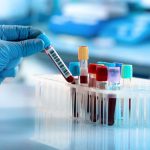
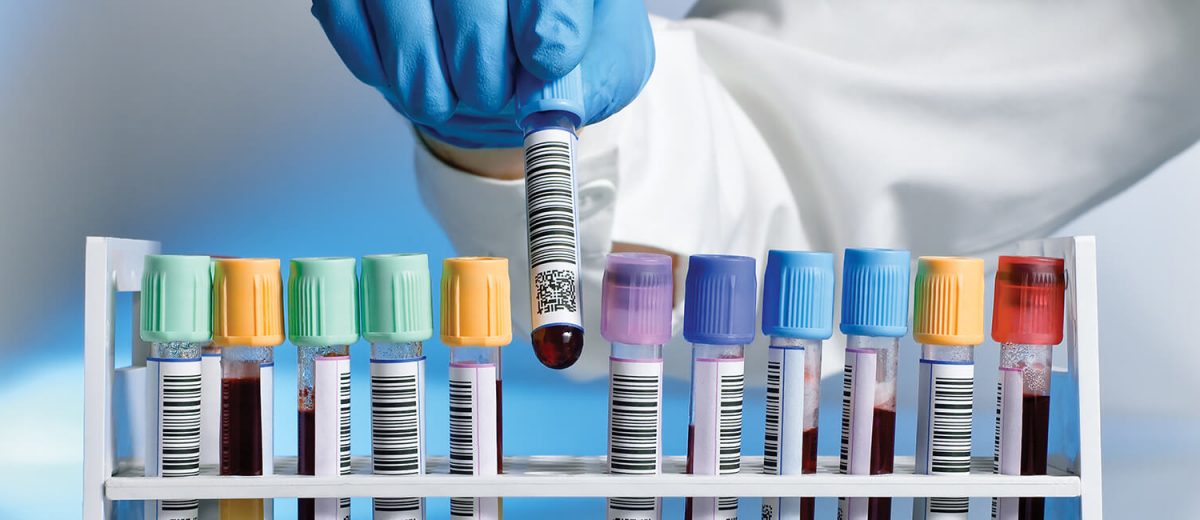
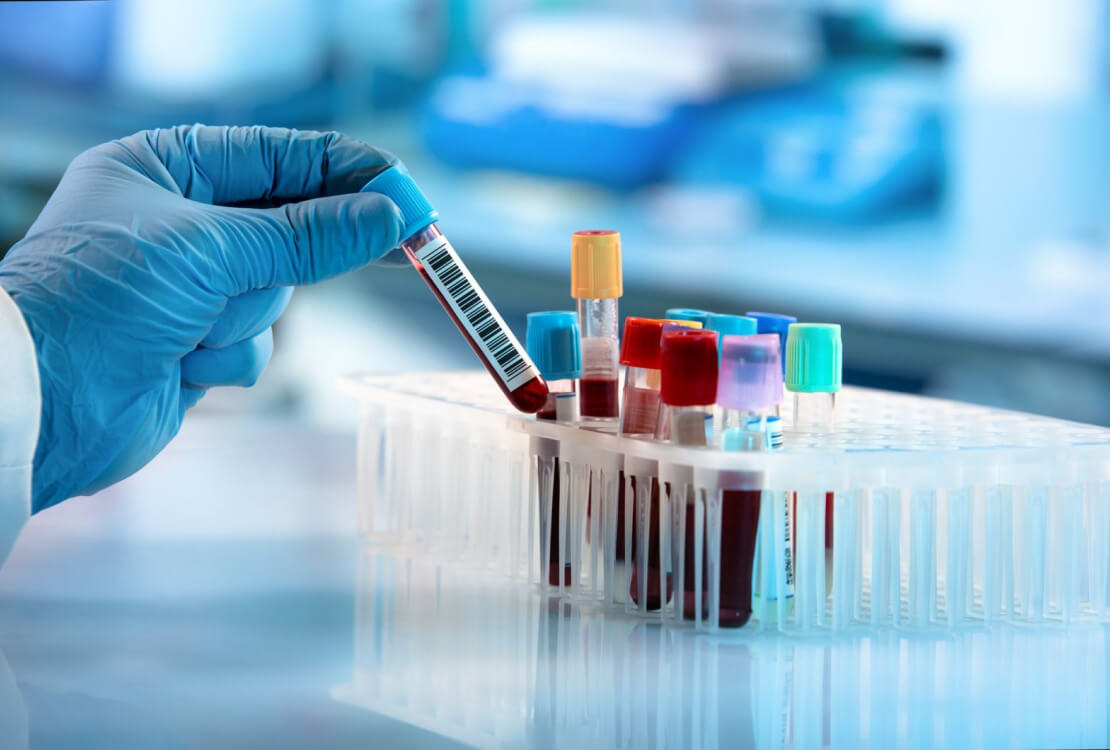
    You will learn how to properly collect, label, and preserve blood, urine, stool, and tissue samples, following safety and hygiene protocols.

  • Laboratory Testing & Analysis
    Gain hands-on experience in conducting various laboratory tests, including blood counts, urinalysis, cultures, and chemical analyses to help detect infections, diseases, or organ dysfunction.

  • Instrument Operation & Maintenance
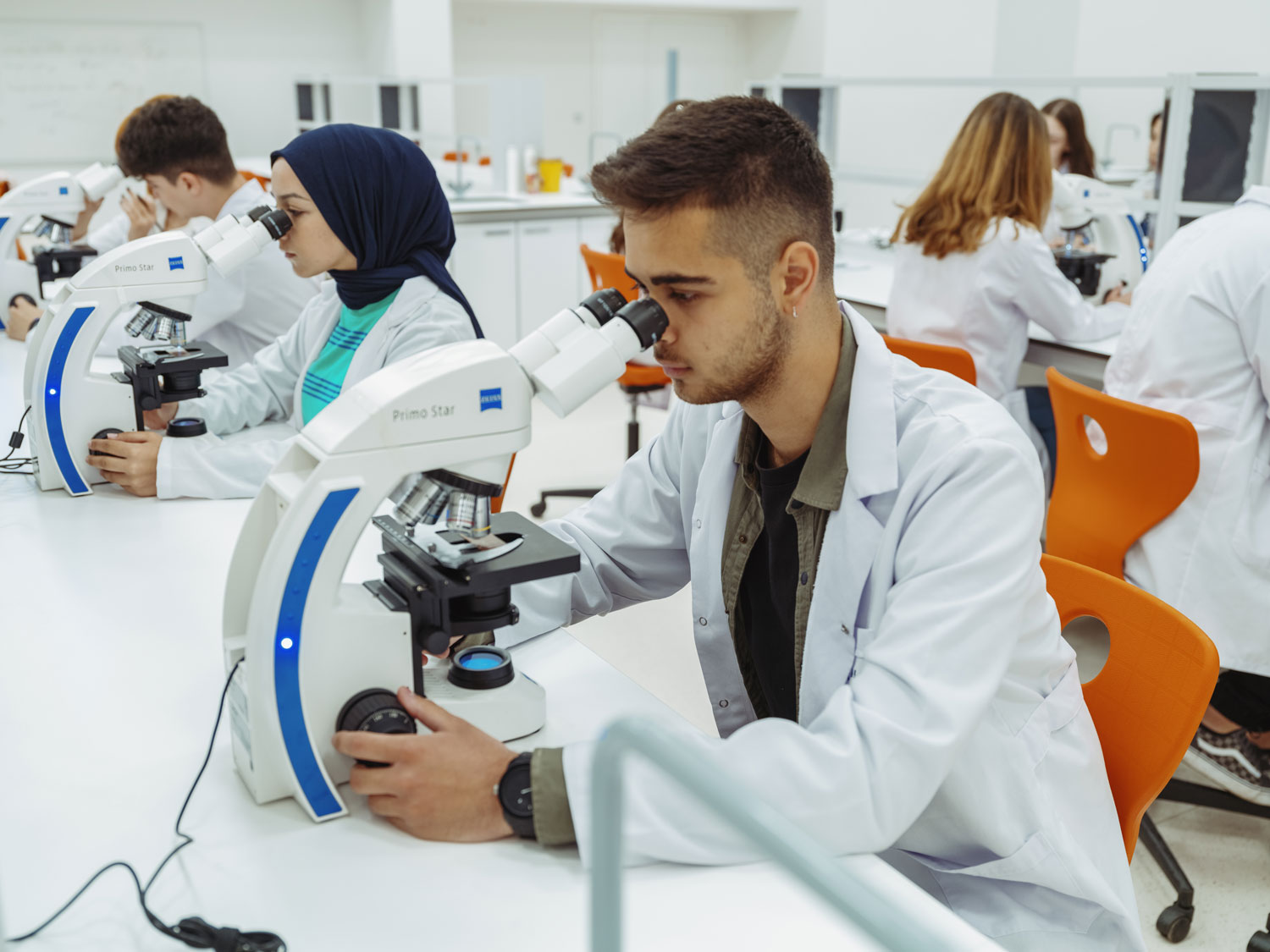
    Learn how to operate and maintain essential lab equipment such as microscopes, centrifuges, spectrophotometers, and automated analyzers.

  • Diagnostic Interpretation Skills
    Understand how to interpret test results and recognize abnormal findings that can assist physicians in diagnosis and treatment planning.

  • Microbiology, Hematology & Biochemistry
    Explore the scientific principles behind laboratory tests, studying how microorganisms, blood cells, and chemical markers reveal patient health conditions.

  • Quality Control & Accuracy
    Understand the importance of precision in lab work, learning how to follow procedures that ensure test accuracy and reliability.

  • Laboratory Safety & Infection Control
    Master best practices in laboratory safety, waste disposal, and infection prevention to ensure a safe working environment.
Career Opportunities:
  • Medical Laboratory Technician
    Work in hospitals or clinics performing routine tests on blood, urine, and other samples to assist doctors in diagnosing and monitoring diseases.
  • Diagnostic Laboratory Assistant
    Support private or specialized diagnostic labs by preparing specimens, running tests, and ensuring quality control procedures are followed.
  • Public Health Laboratory Technician
    Contribute to disease prevention and surveillance by conducting tests related to infectious diseases, environmental health, and epidemiology.
  • Blood Bank Technician
    Handle blood collection, typing, cross-matching, and storage to ensure safe transfusions in hospitals or blood donation centers.
  • Research Laboratory Assistant
    Assist in academic or pharmaceutical research projects by conducting experiments, recording data, and maintaining laboratory equipment.
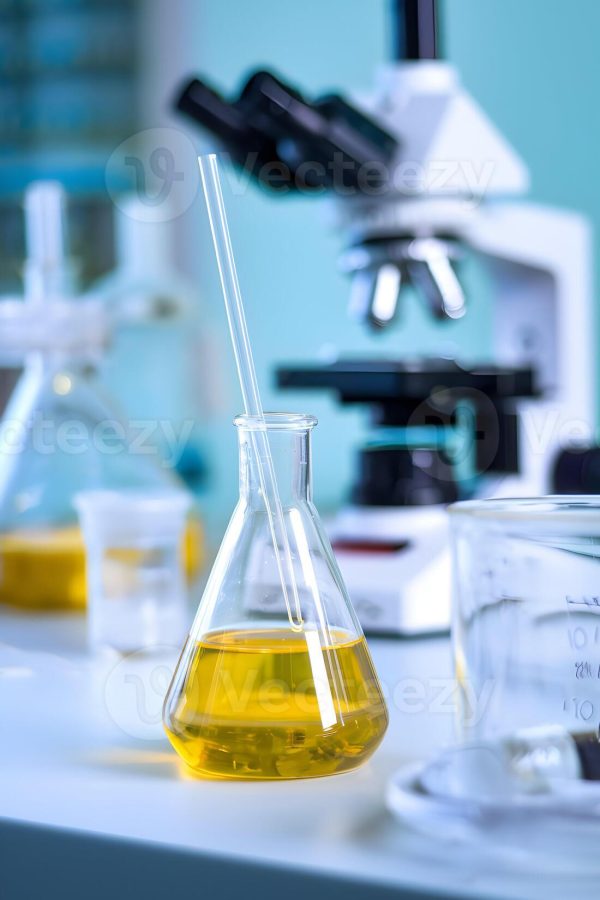
flask-with-yellow-liquid-in-a-lab-with-equipment-blurred-in-the-background-vertical-mobile-wallpaper-photo

Optional Subtitle

Our Services

Diagnostic Testing

 Providing accurate blood, urine, and tissue sample analysis to support disease diagnosis.

Microbiological Analysis

 Identifying bacteria, viruses, and parasites causing infections.

Clinical Internship Opportunities

Offering real-world training in partner hospitals and diagnostic labs.

Laboratory

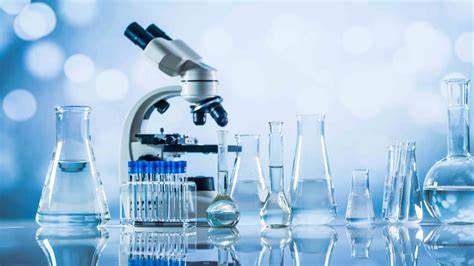
The Medical Laboratory at the National Institute is equipped with modern instruments and advanced technology to provide students with practical, hands-on experience in clinical diagnostics. It includes specialized sections for microbiology, hematology, biochemistry, and pathology, enabling students to perform a wide range of tests on real clinical samples. The laboratory strictly follows safety and quality control measures to ensure accurate results and a safe learning environment. Under the guidance of experienced instructors, students develop the essential skills needed for successful careers in healthcare and medical research.

Key Points:

  • Equipped with modern instruments and technology
  • Specialized sections: microbiology, hematology, biochemistry, pathology
  • Hands-on training with real clinical samples
  • Strict safety and quality control protocols
  • Supervised by experienced instructors
  • Prepares students for professional healthcare careers
  • Supports practical learning alongside theoretical studies